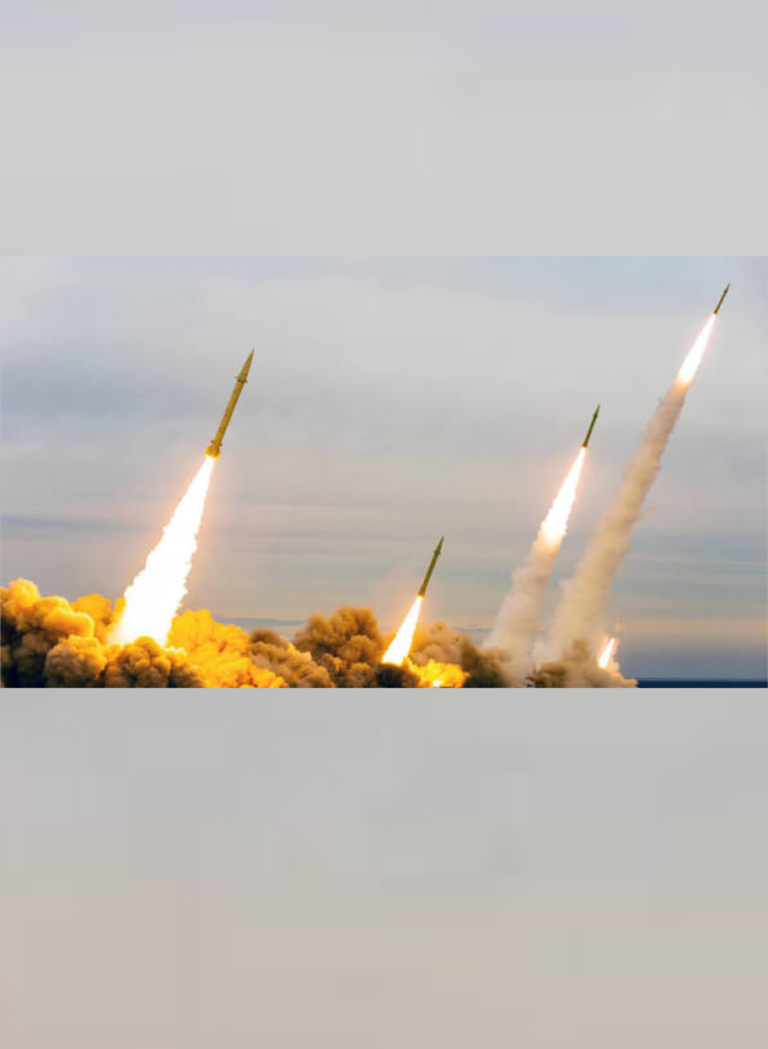
The current war involving Iran, Israel, and the U.S. has triggered a series of economic shockwaves across Africa. At Daris Tele, we are tracking three critical dimensions where this conflict will fundamentally reshape the African gas and oil sector.z
- The Logistics of Conflict: Longer Routes and Higher Costs
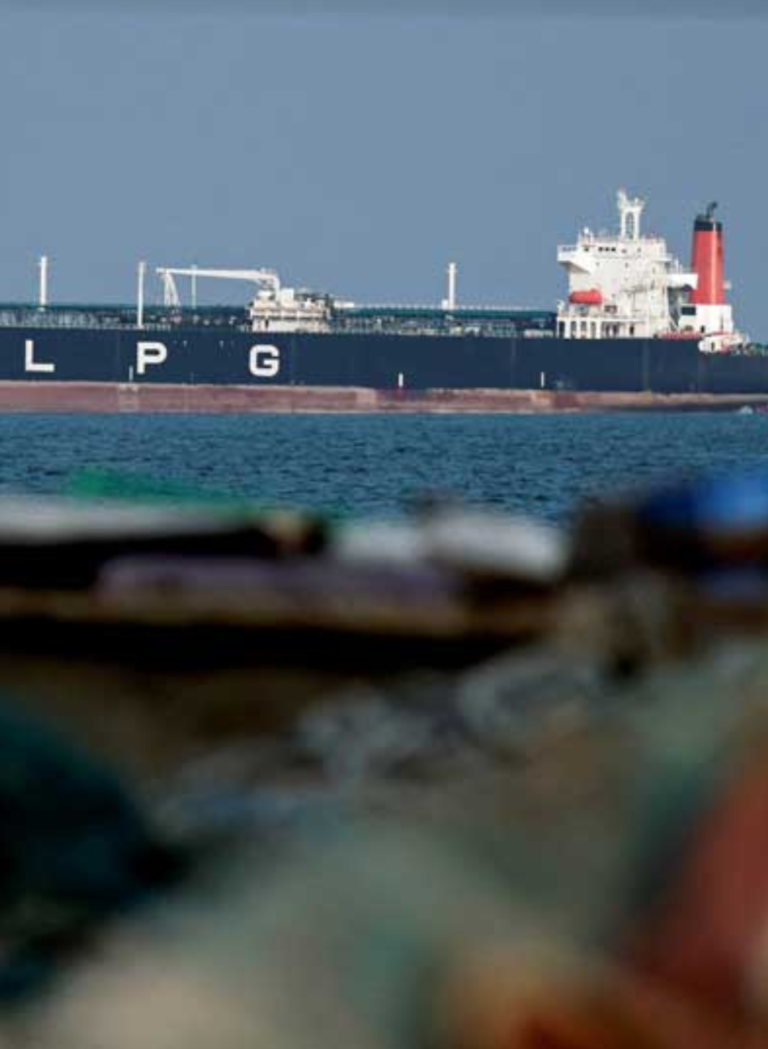
Africa is not exempt from the trade uncertainty caused by Middle Eastern hostilities. As shipping routes are diverted to avoid conflict zones, freight costs are rising significantly. For the energy sector, this means the landing cost of energy equipment and refined products is reaching record highs, already evidenced by petrol vending at ₦1,069 per litre in some regions.
- Geopolitical Realignments: New Power Players
The war is forcing global powers to rethink their African strategies. We are seeing:
- Russia intensifying its search for naval bases on the Red Sea.
- Turkey boosting its regional role as a mediator and energy partner.
- A deepening competition between Saudi Arabia and the UAE for influence across the continent.
These shifts will determine which infrastructure projects get funded and which diplomatic alliances will shape the next decade of African gas exports.
- Fiscal Correction vs. Fiscal Collapse
There is a fine line between benefiting from high oil prices and being crushed by them. While Nigeria’s 2026 budget was predicated on $64.85 per barrel, the current $90+ price point provides a meaningful buffer for countries with strong external reserves.
However, as Finance Minister Wale Edun notes, this period represents a fiscal correction — moving away from hidden deficits and monetary financing toward a system capable of withstanding external shocks.
The Daris Tele Takeaway
Resilience in the gas sector now depends on transparency-driven reforms. Current revenue gains must not create the short-term illusion of stability. Instead, they should be used to invest in infrastructure that guarantees long-term energy sovereignty.