Escalating tensions between the United States and Iran have significantly heightened instability in the Middle East in late February and early March 2026. The situation has been marked by coordinated U.S.–Israeli air and missile strikes against Iranian military and nuclear-related sites, including the reported death of Iran’s Supreme Leader, Ayatollah Ali Khamenei, and significant Iranian retaliatory actions across the region.
These retaliatory actions include missile and drone attacks on U.S. military installations and allied facilities in Gulf states, strikes on embassies, and escalating conflict involving Iranian allied groups such as Hezbollah in Lebanon.
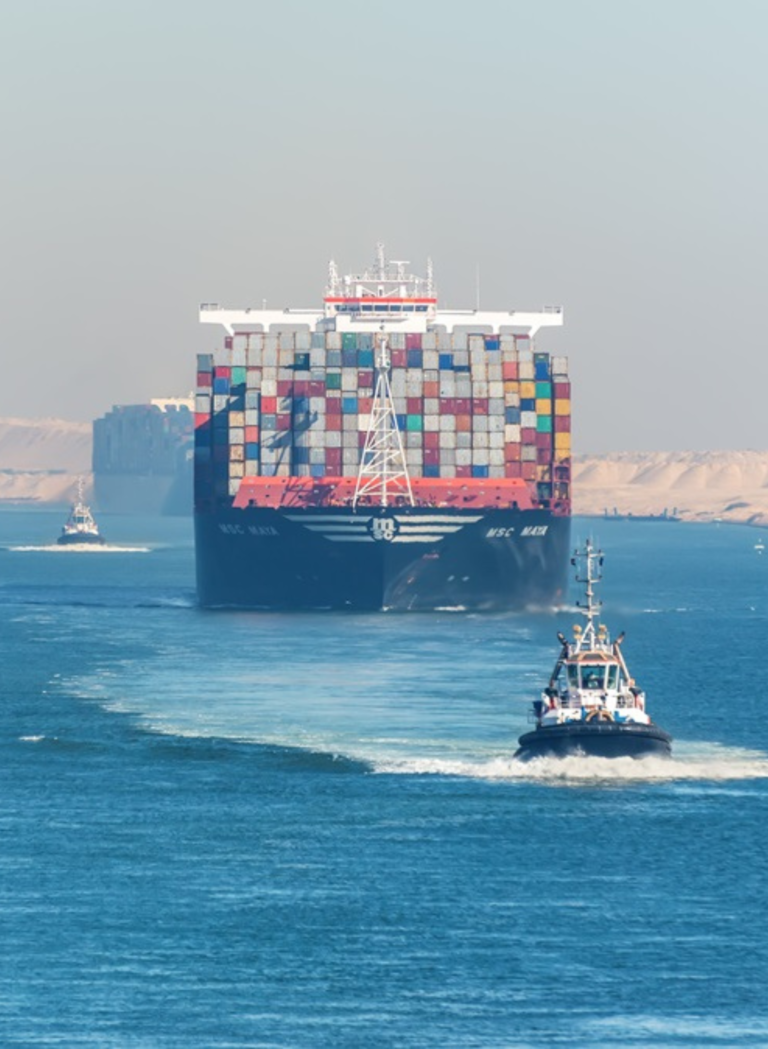
According to reports by Reuters and AP News, maritime traffic through the Strait of Hormuz, a critical global oil and LNG chokepoint, has slowed amid heightened security risks, leading to increased shipping and insurance costs. Brent crude prices have risen sharply in response to concerns about supply disruptions, while global financial markets have reflected elevated risk sentiment.
Impact of the Escalating Tensions
For Nigeria, the immediate economic effect could be potentially positive from a revenue standpoint. As an oil-exporting nation, higher global crude prices may improve foreign exchange inflows in the short term, strengthen federally collected revenues, and ease short-term fiscal pressures.
Historically, geopolitical disruptions in the Gulf region have created temporary price spikes that benefit non-Gulf oil producers. However, volatility rather than sustained price strength remains the dominant feature, and a prolonged conflict could dampen global demand growth, particularly in Asia and Europe.
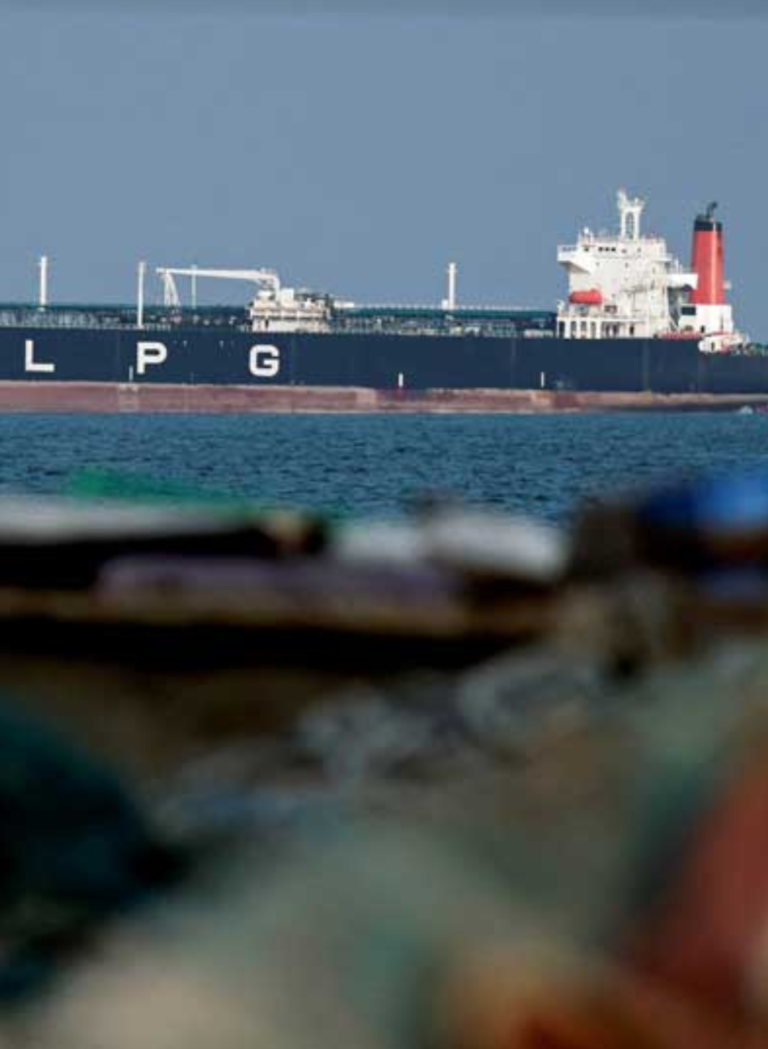
For Nigeria’s gas industry, the impact is indirect but strategically relevant. While Nigeria’s LNG exports do not transit the Strait of Hormuz, global LNG pricing benchmarks remain sensitive to supply risks involving Qatar, one of the world’s largest LNG exporters whose shipments pass through the Strait.
Any sustained disruption could tighten global LNG supply and potentially improve spot market conditions. On the other hand, increased global instability could raise freight and insurance costs and complicate shipping logistics. As a result, the overall impact is not entirely positive, as it could also influence OPEC+ positioning and create spillover effects on global gas pricing dynamics.