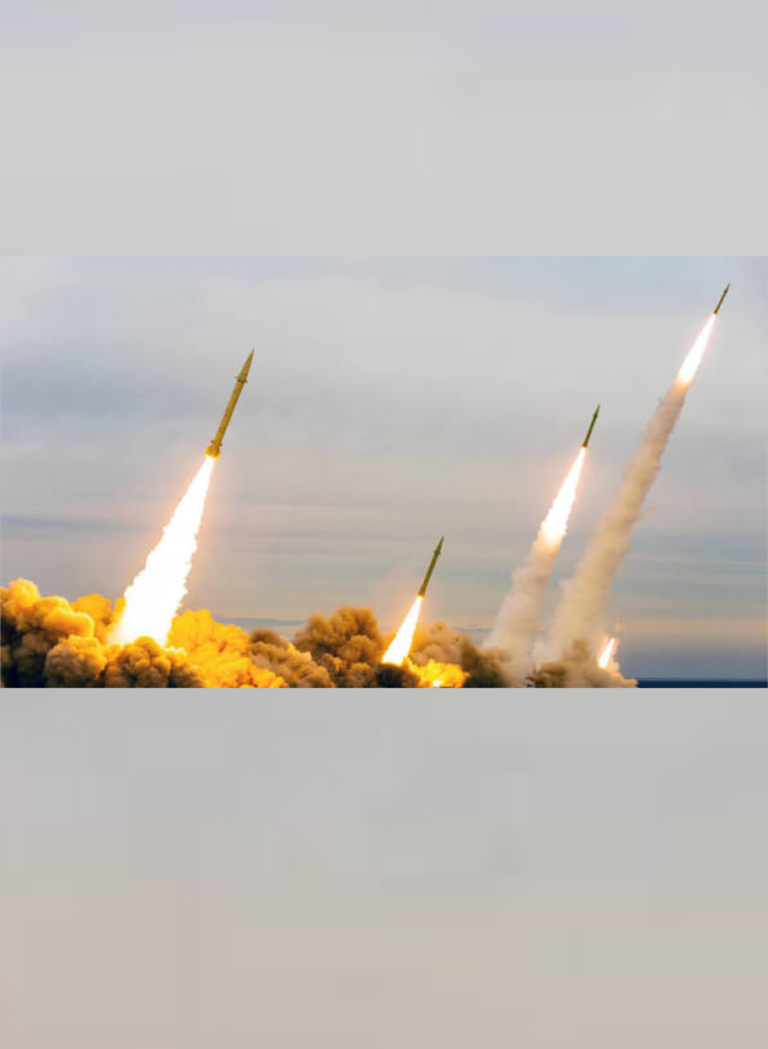
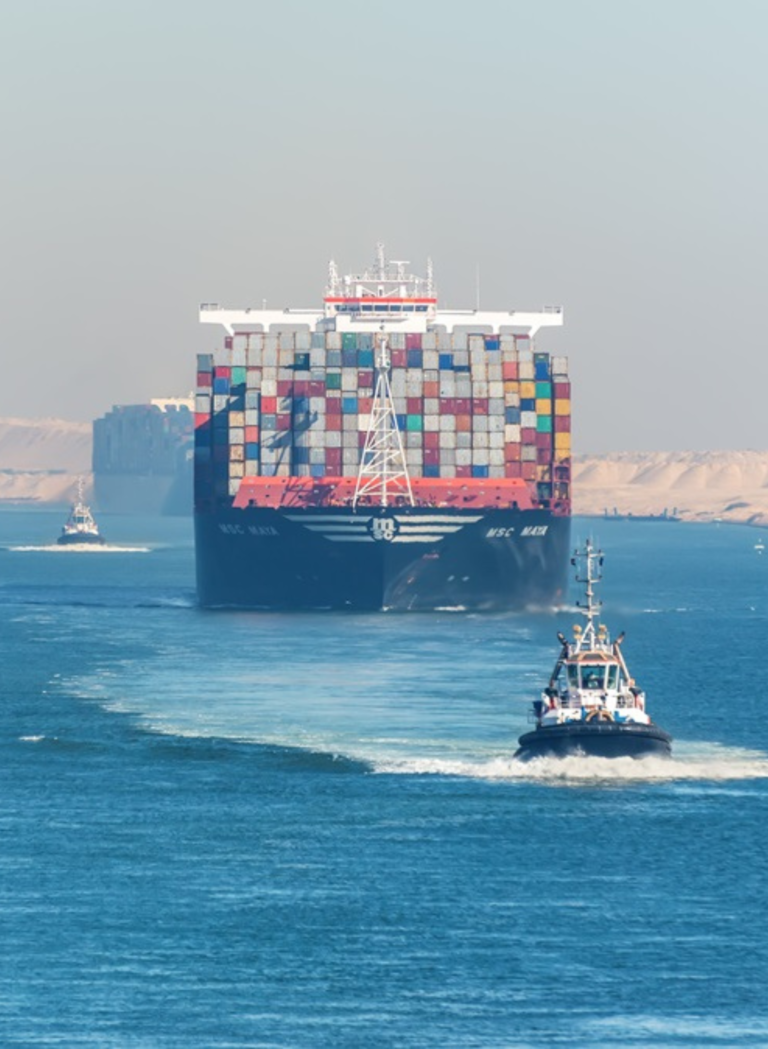
When the Strait of Hormuz effectively closed in late February 2026, the global energy system experienced its most significant single shock since Russia’s invasion of Ukraine. The conflict suspended roughly a fifth of global crude oil and natural gas supply.
Iran reportedly struck Qatar’s LNG infrastructure, triggering force majeure declarations and removing nearly 20% of global LNG volumes from the market. Brent crude surged past $110 per barrel within days.
For African gas producers, the disruption presents a dual consequence: immediate economic pressure and a structural strategic opportunity that demands urgent policy attention.
The Pressure
Surging oil prices are rippling across African economies, threatening higher fuel costs, rising inflation, and renewed pressure on currencies.
Countries that export crude but import refined products, Nigeria being the clearest example, find themselves in a paradoxical position. While they benefit from higher oil prices on paper, citizens face rising fuel costs at the pump.
At the same time, capital flight toward the U.S. dollar is heightening balance-of-payments risks in some of the continent’s more fragile economies.
The Opportunity
The more consequential story lies in how the crisis is reshaping buyer psychology.
Global LNG buyers are increasingly aware of the transit and geopolitical risks embedded in Gulf supply contracts. African LNG, supplied through Atlantic corridors and largely insulated from Hormuz transit risks, now carries a structural premium.
West and North African gas supplies are increasingly viewed as lower-risk alternatives, with buyers in Europe, China, and India showing growing interest.
With over 550 trillion cubic feet of undeveloped recoverable gas across the continent, Africa has the resource base to meet this demand at scale.
The Policy Imperative
Opportunity without policy execution is simply geology.
The window opened by this crisis, characterized by elevated prices, anxious buyers, and weakened confidence in Gulf supply chains, will not remain open indefinitely.
Governments must accelerate final investment decisions on stalled LNG projects, advance regional pipeline infrastructure, and engage proactively with long-term buyers while demand urgency remains high.
Projects such as the Nigeria–Morocco Gas Pipeline and the Trans-Saharan Gas Pipeline are not merely commercial ventures; they are strategic infrastructure that will determine whether African gas reaches global markets on Africa’s terms.
The Iran war has not created Africa’s gas opportunity. It has simply made it impossible to ignore.